
English
Views: 0 Author: Site Editor Publish Time: 2026-01-06 Origin: Site


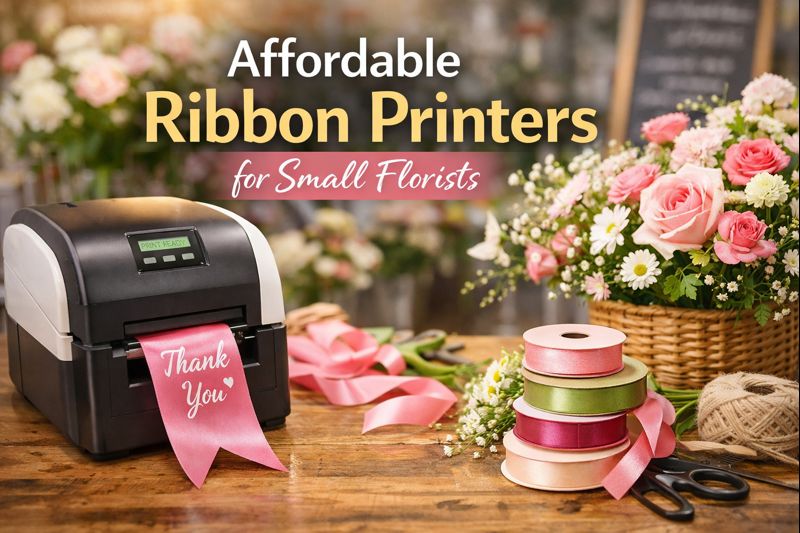
Choosing the right ribbon printer is an important decision for any small florist. The price of ribbon printers for florists can vary widely depending on factors such as printer size, supported ribbon materials, printing technology, and output capacity. As a florist business owner, it's essential to balance functionality with cost—buying a machine that fits your real daily needs rather than overinvesting or underbuying.
Purchasing a large florist ribbon printer that produces far more satin or fabric ribbons than you need can lead to wasted space and unnecessary expense. On the other hand, selecting a printer that cannot keep up with your daily ribbon printing volume may slow down operations during peak seasons. Finding the right-sized ribbon printing machine is key to running an efficient and profitable floral business.
For small florists, investing in a ribbon printer that truly suits your business model is paramount. To help you make the right decision, here are four key factors you should consider before purchasing a florist ribbon printer.
Most florists benefit from ribbon label printers that offer strong customization capabilities. A good ribbon printer should allow you to print logos, text, symbols, and designs quickly and in batches. This is especially important during high-demand periods such as Valentine's Day, Mother's Day, weddings, and other seasonal events.
High-speed printing and batch production of colorful ribbons can significantly improve efficiency and customer satisfaction during peak sales periods.
For many florists, multi-color ribbon printing is a major advantage. Satin or silk ribbons printed in multiple colors tend to attract more attention and enhance the overall appearance of bouquets. Since a large portion of flower buyers are women, colorful and visually appealing ribbons often influence purchasing decisions.
Although multi-color ribbon printers are typically more expensive than single-color models, the added visual appeal can justify the investment by increasing perceived value and sales.
Ribbon compatibility is another crucial factor. Satin, fabric, and silk ribbons are the most commonly used materials in the floral industry. To avoid compatibility issues, it'ss strongly recommended to purchase ribbons from the same manufacturer as your florist ribbon printer machine.
Using matched ribbons and printers reduces the risk of printing errors, ribbon jams, or poor print quality caused by incompatible materials.
Space and budget limitations are common challenges for small florists. Large, industrial ribbon printing machines often take up more room and exceed budget constraints. However, if weddings and large events make up a significant portion of your revenue, investing in a high-end ribbon printer may be worthwhile.
Thermal transfer ribbon printers are widely used in the floral industry due to their durability and print quality. When choosing one, look for a resolution above 250 DPI—higher resolution generally results in clearer text and sharper graphics. Always aim to stay within a budget that aligns with your business scale and printing demand.
There are many ribbon printers available on the market, ranging from compact models for narrow ribbons to larger machines capable of printing wide ribbons for bouquets and floral arrangements. Most modern options offer high-resolution printing, often around 300 DPI, to ensure professional results.
Below are three florist ribbon printers that are likely to meet the needs of small floral businesses.
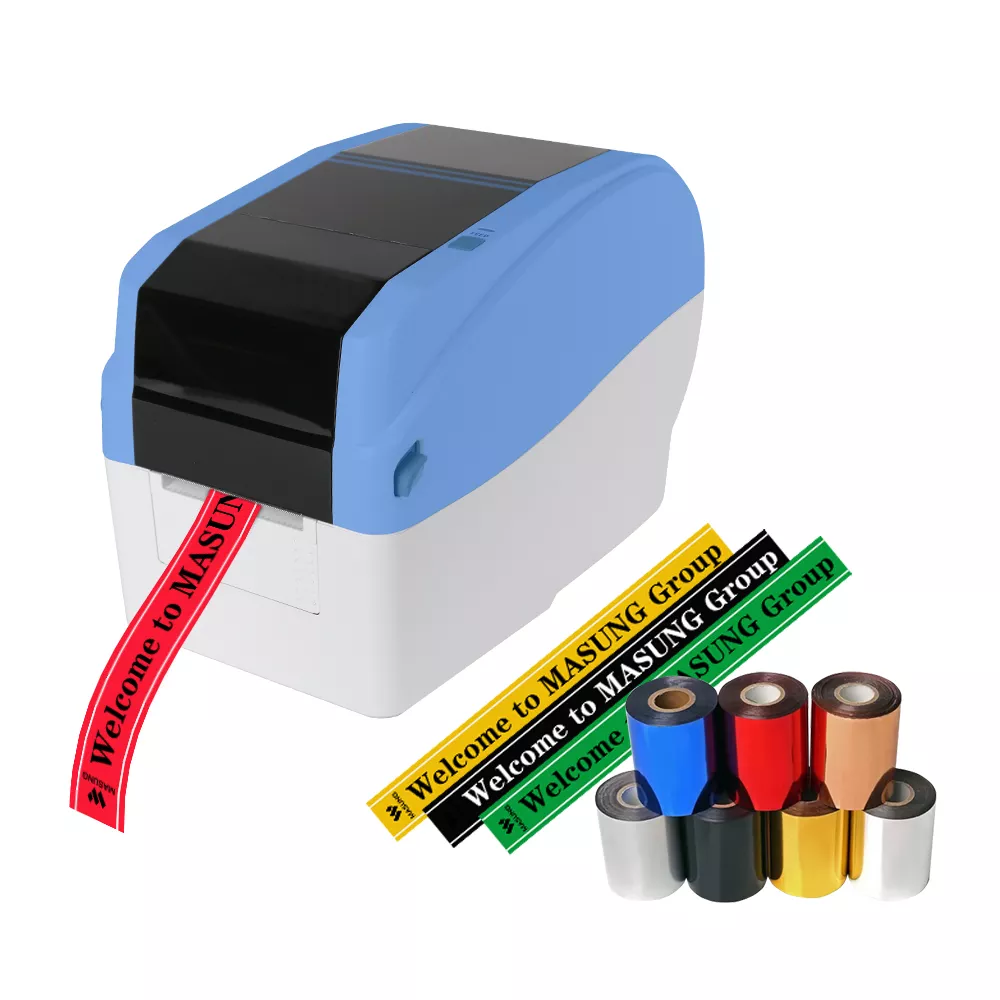
What sets Masung apart from its competitors is its high level of customization, covering everything from design and molding to mass production.
The Masung MS-1740 compact desktop ribbon printer is particularly popular among small florists. Its adjustable printing width (26 mm to 54 mm) makes it ideal for ribbons used in weddings, birthdays, and gift wrapping. The automatic ribbon cutting feature further improves efficiency and ease of use.
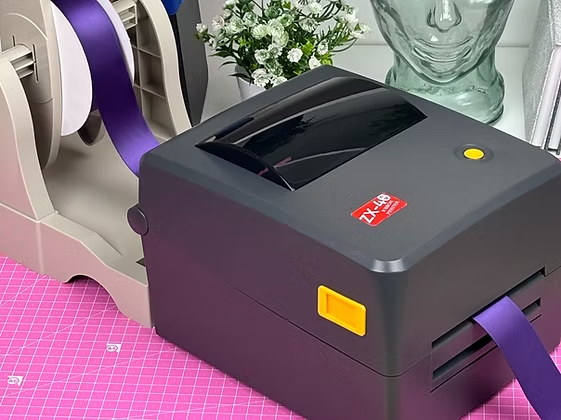
ZX-40 Plus Ribbon Printer
The ZX-40 Plus Ribbon Printer is supplied in the UK, unlike Masung printers which are manufactured in China. As a result, its price is often higher. Despite the cost, it remains a popular choice among florists. If you are working with a limited budget, it's advisable to compare this model carefully with more affordable alternatives before making a purchase.
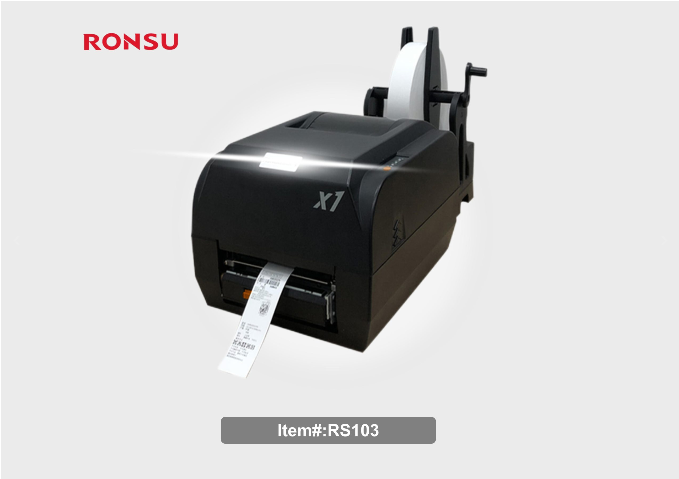
The RONSU RS103 Series combines single-row, dual-row, and four-row thermal printing options within one product family. Ribbon widths can be adjusted from 25 mm to 110 mm, offering flexibility for different bouquet sizes. However, the main drawback is its lower resolution of 200 DPI and a maximum printing speed of 150 mm/s.
In summary, the Masung MS-1740 ribbon printer stands out as one of the most affordable options for small florists, largely due to its manufacturing efficiency and practical feature set. The ZX-40 Plus Ribbon Printer, while reliable and popular, may be significantly more expensive. Meanwhile, the RONSU RS103 Series is a reasonable choice for florists with lower ribbon printing demands.
Ultimately, the best ribbon printer for your florist business is the one that balances price, performance, ribbon compatibility, and daily printing requirements—helping you deliver beautiful, professional bouquets without unnecessary cost.

