
English
Views: 0 Author: Site Editor Publish Time: 2026-03-26 Origin: Site


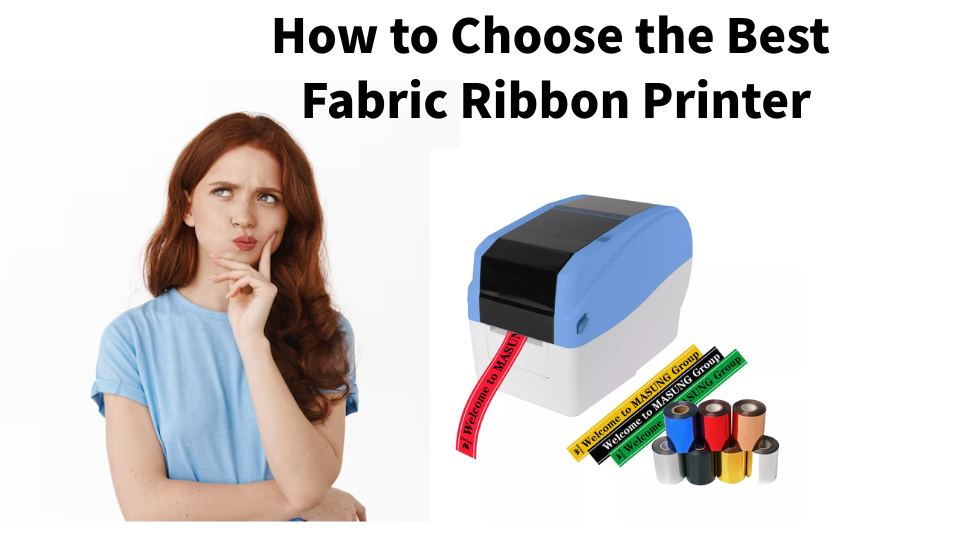
A fabric ribbon printer is a specialised printing device designed to print text, logos, barcodes, or designs directly onto fabric-based ribbons such as satin, nylon, polyester, or cotton.
Most fabric ribbon printers rely on thermal transfer printing, a method where heat transfers ink from a ribbon (ink film) onto the fabric surface. This process allows printing on satin, fabric, nylon, or cotton to achieve water resistance, scratch resistance, and long-lasting durability.
The need for fabric ribbon printing machines largely depends on the type of business you operate. These machines are widely used for branding, packaging, and labelling purposes across various industries.
Below are some of the most common applications of fabric ribbon printers:

Gift shops
Gift shops require a large volume of customised ribbons for wrapping and decorating products, especially during peak seasons such as Valentine’s Day and Christmas. Investing in a fabric ribbon printing machine ensures flexibility, faster turnaround, and improved customer satisfaction.
Clothing brands & apparel manufacturers
As one of the largest user groups, they depend on fabric ribbon printer machines to produce washing care labels, size labels, and material labels. In many regions (USA, EU, UK, etc.), garments cannot legally be sold without proper labelling. Without these labels, customers cannot verify product details before purchase.
Event companies
Event businesses focus on personalisation, visual appeal, and on-demand branding. They use fabric ribbon printers to produce high-quality decorative ribbons on-site, turning standard materials into branded elements. Typically, they prefer printers capable of printing wider fabric or satin ribbons.
Florists & wedding agencies
Florists and wedding planners use fabric, satin, and silk ribbon printers to meet the growing demand for personalised and on-demand services. Unlike pre-printed ribbons that require long lead times and bulk orders, an in-house printer allows instant customisation. Decorative fabric ribbon enhances emotional value, with messages like “Happy Birthday” or “I love you forever” creating memorable experiences.
In addition, fabric ribbon printer machines are commonly used for packaging skincare products, wrapping perfume boxes, and enhancing presentation in boutique beauty shops.
When selecting a fabric ribbon printer for small businesses, price should not be the only consideration. It is more important to evaluate durability, compatibility, efficiency, and long-term operating costs. Ultimately, the goal is to choose a printer for fabric ribbon that best fits your business needs.
Since most fabric ribbons, satin, and silk ribbons are printed using thermal transfer printers, which ensure durability, we will not go deeper into the printing technology here.
Compatibility with Fabric Materials
Not all printers support every ribbon type. The four most common fabric materials include:
· Satin ribbon (ideal for gift packaging)
· Nylon (ideal for garment labels)
· Polyester (ideal for apparel labelling)
· Cotton (widely used for eco-friendly products)
Always confirm with the fabric ribbon printer manufacturer that the supported ribbon types match your business requirements.
Print Resolution (DPI)
Print quality is measured in DPI (dots per inch):
· 203 DPI → suitable for basic text and barcodes
· 300 DPI → ideal for logos, small fonts, and detailed branding
Higher DPI results in clearer and sharper output.
Print Speed & Production Volume
Fabric ribbon printers are available in low, medium, and high production capacities. For small businesses, a compact fabric ribbon printer is usually the best option. Similarly, a narrow ribbon printer is more suitable than medium or wide fabric ribbon printers for smaller-scale operations.
Ribbon & Consumable Costs
This is a critical but often overlooked factor. Running a fabric ribbon printer long term requires frequent ribbon replacement, which can significantly impact costs.
There are three main types of thermal ribbons:
· Wax → economical but less durable
· Wax-resin → balanced performance
· Resin → most durable (best for fabric)
Resin ribbons are recommended for fabric applications due to their superior durability and resistance.
Ease of Use & Software Compatibility
Choose a fabric ribbon printer that offers user-friendly software, compatibility with Windows and Mac systems, and flexible design options with minimal limitations.
Automation Features
To handle peak seasons or improve operational efficiency, consider a printer for fabric ribbon equipped with features such as automatic cutting, continuous feeding, and batch printing. These functions help save time and minimise manual errors.
Budget vs. Business Stage
For startups or small businesses, an entry-level fabric ribbon printer priced between $30 and $150 is typically sufficient.
For growing businesses—such as apparel brands, florists, or gift shops—a mid-range fabric ribbon printing machine ($150–$600) offers better performance and scalability.
Industrial-level fabric ribbon printer machines are generally not necessary for small business use.
In summary, when choosing a fabric ribbon printer, focus on:
1. Printing technology (thermal transfer)
2. Fabric compatibility
3. Resolution (300 DPI for branding)
4. Production capacity (speed and automation)
5. Long-term consumable cost

